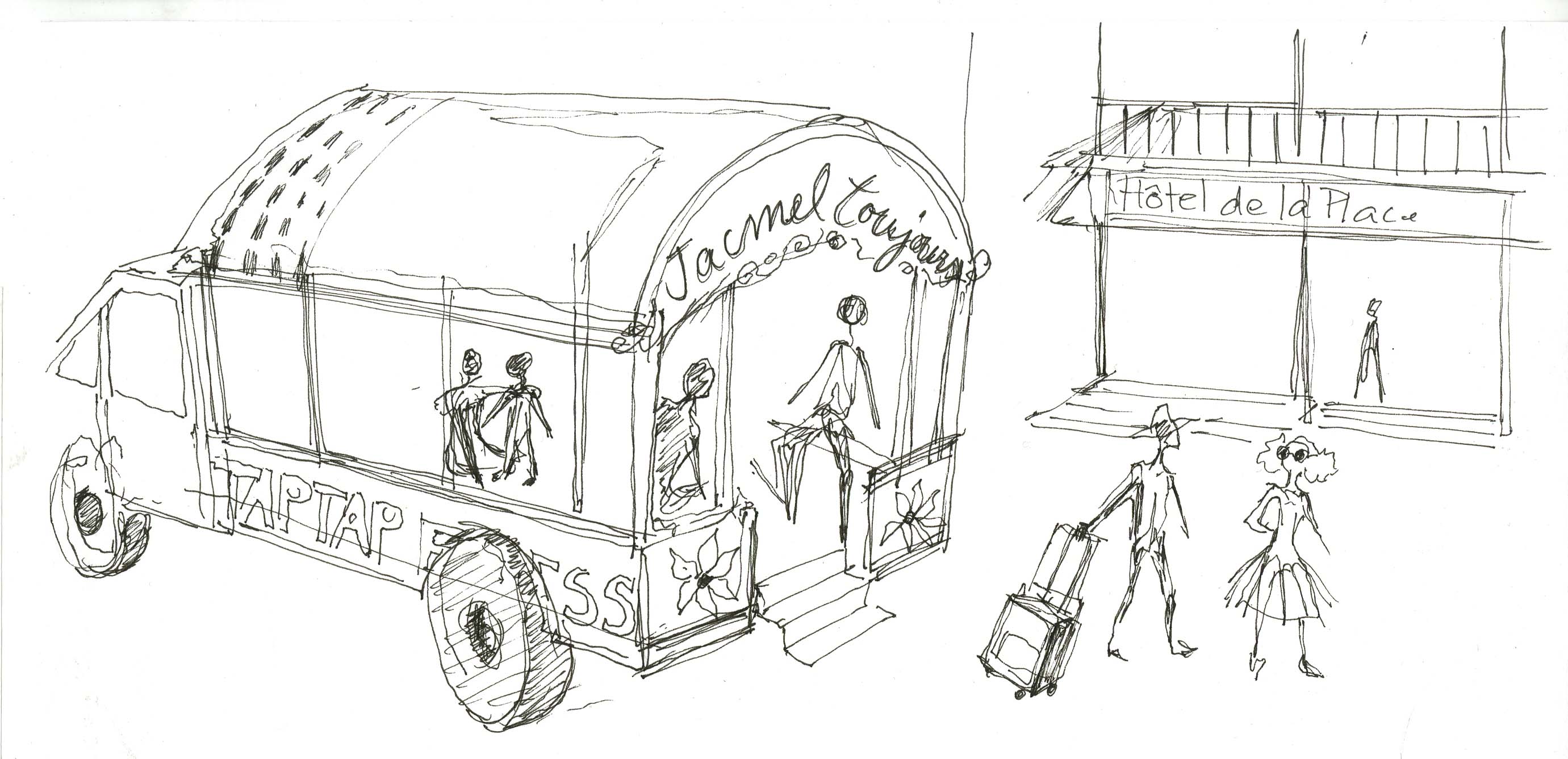
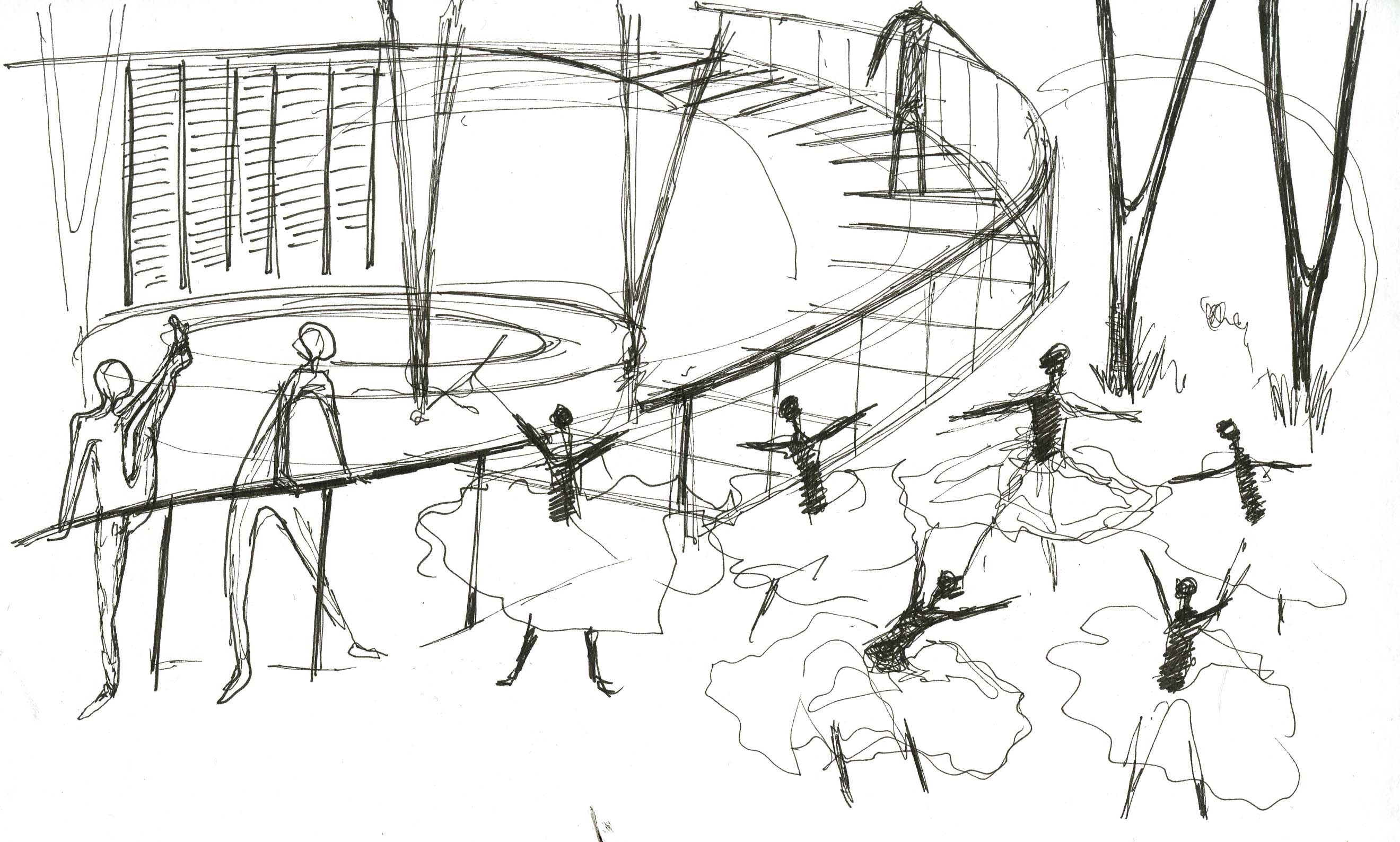
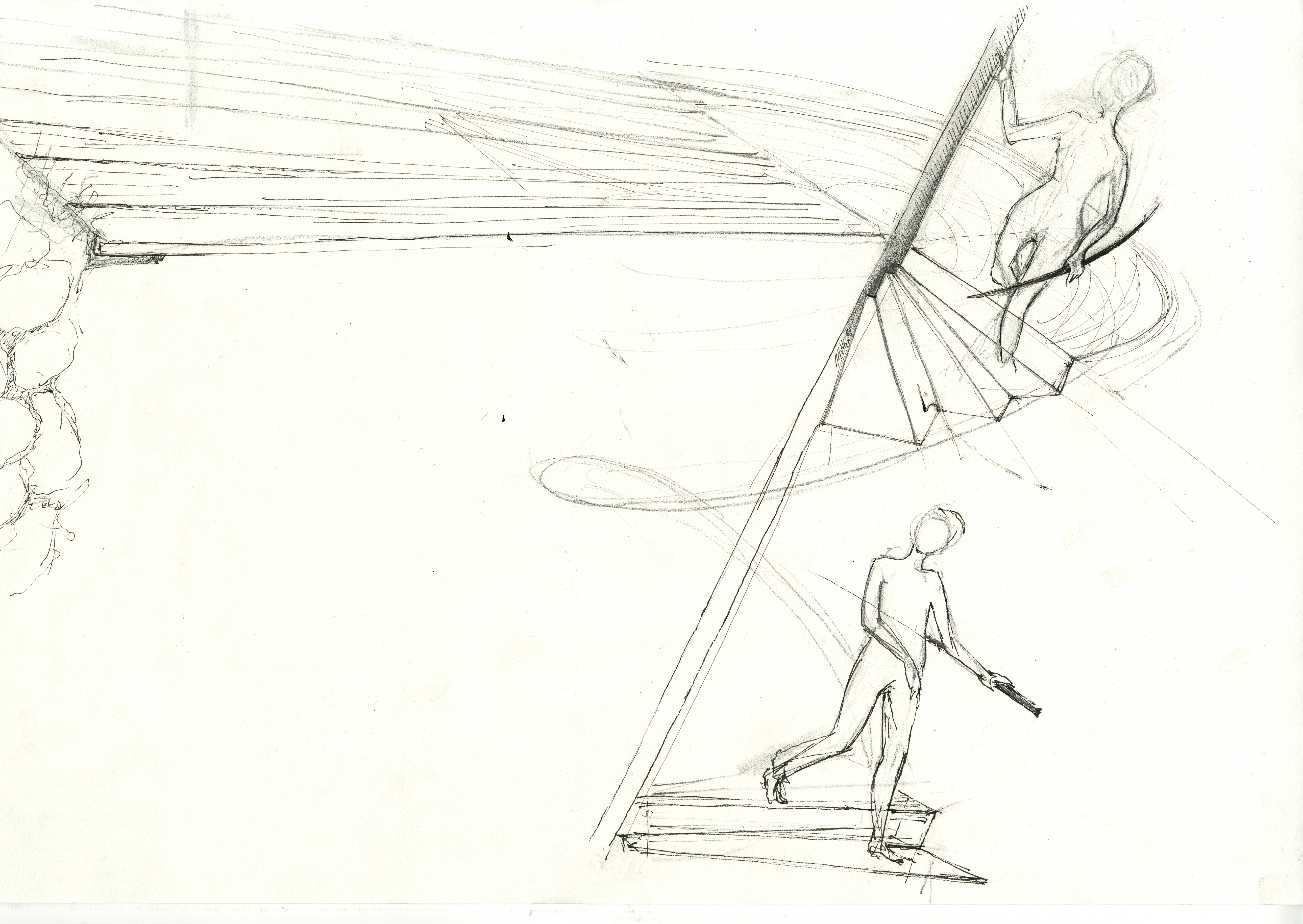
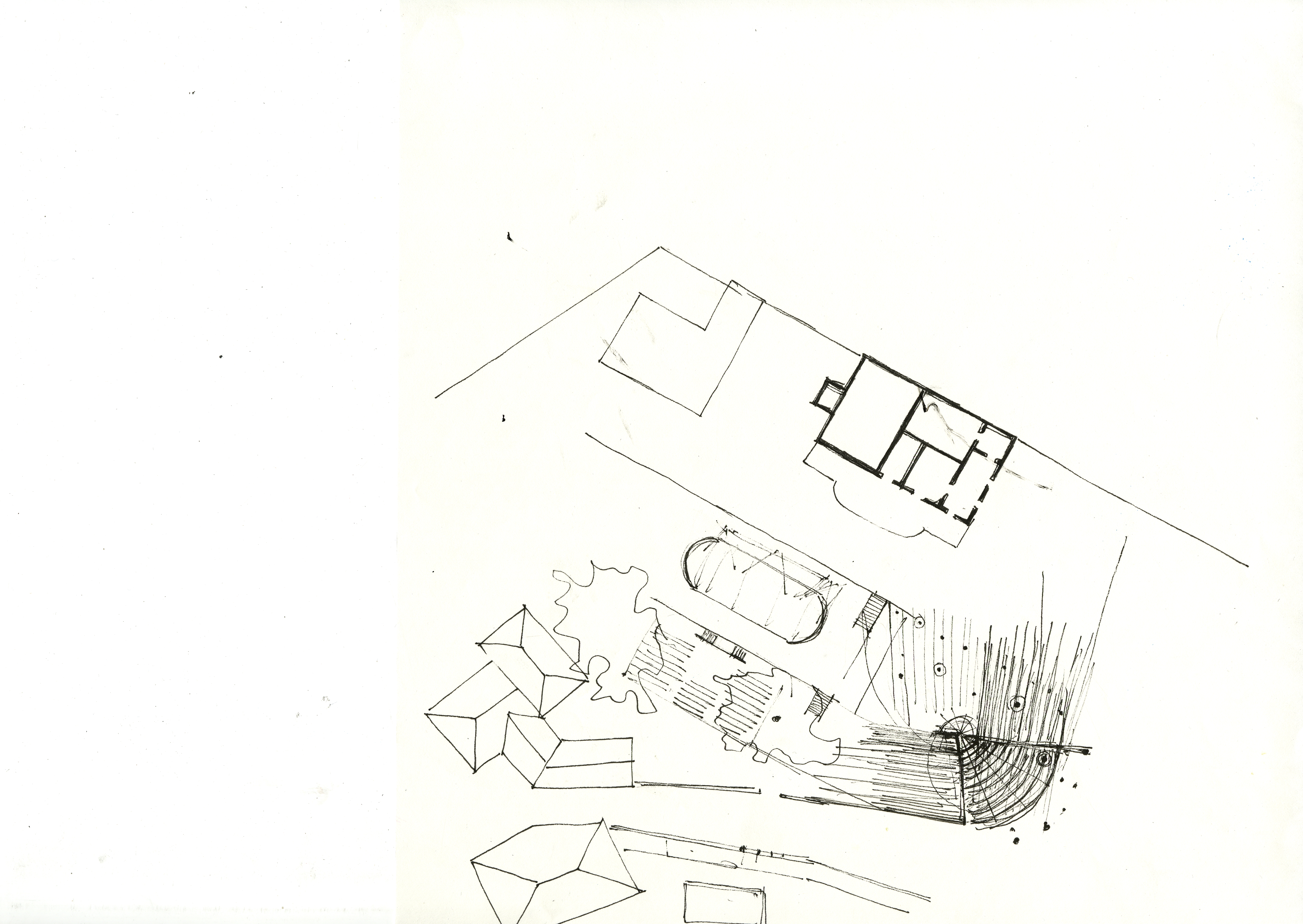
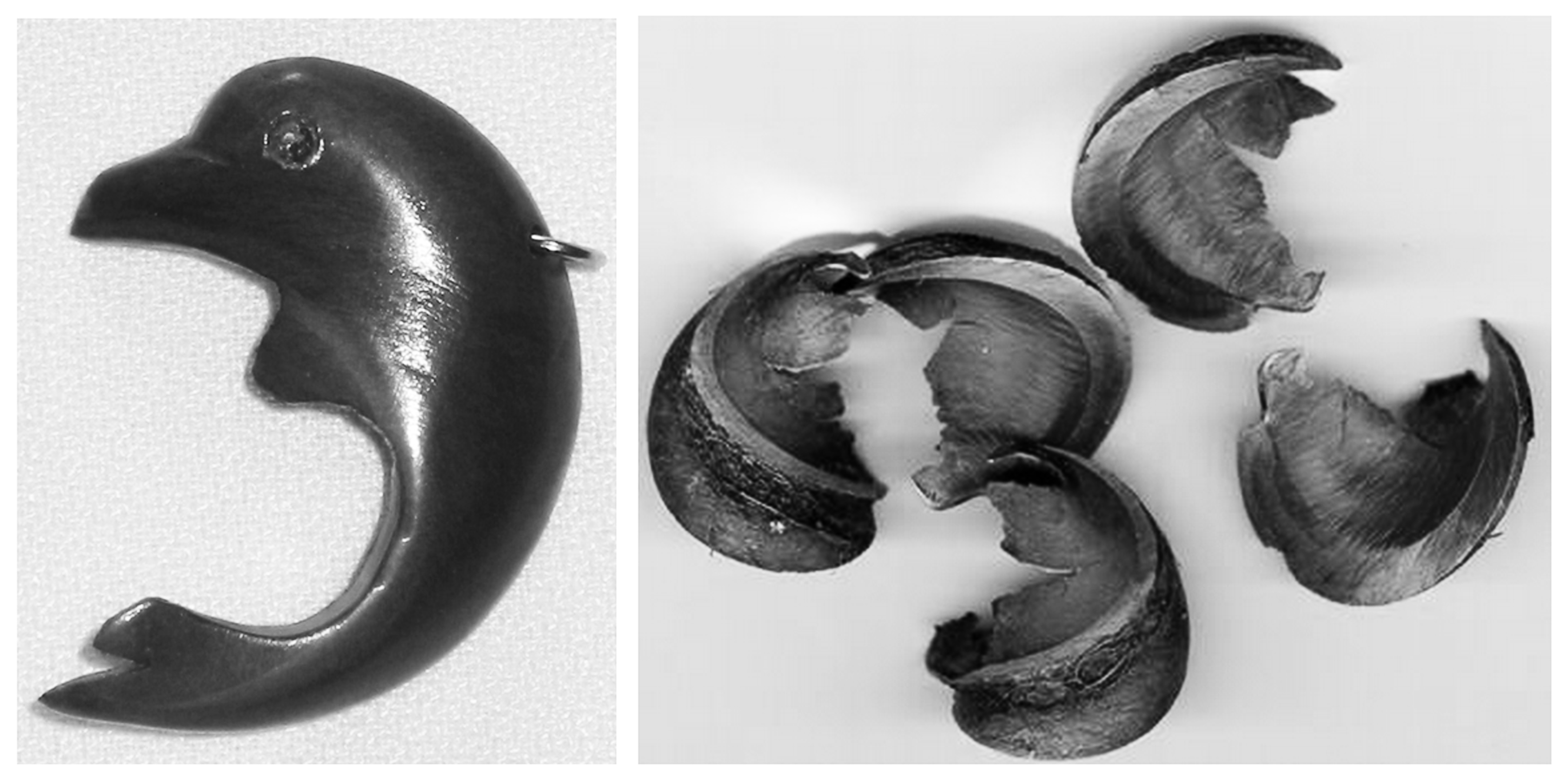
First Movement: Hadriana in All my Dreams

Slide 1

I died on the evening of the most beautiful day of my life: I died the evening of my wedding at the Church of Saint-Philippe-et-Saint-Jacques. Everybody thought I was struck by the sacramental YES that burst from deep inside. My acquiescence had been so strong and convincing that everyone said my passion carried me off. I was presumed to have been struck by a lightning bold of determination to marry.

Slide 2

To tell the truth, my apparent death began a half-hour before my outcry, in the instant before the departure of the wedding procession from the house. I was ready to leave. I had glanced one last time at the living room mirror: “Go, Hadriana!” said a voice inside, from the Caribbean side.

Slide 3

During my happy life as a girl, there had always been three spaces- the inward garden, the exterior courtyard, and the Caribbean side. It was very warm in all of them.

Slide 4

In the midst of the ­affectionate chatter of my maids of honor at the foot of the stairs, I proclaimed my thirst aloud. I would really like a glass of ice water.” […] Had someone foreseen my last-minute thirst?

Slide 5

Arms lifted me from the floor of the Church. Whose were they? ­ The man had a difficult time making his way through the crowd of people. My dangling feet struck bodies as we passed. A hand grabbed my right foot and squeezed it for some time. I felt the cool evening air in spite of the mask glued to my face. The bells pealed out full volume along with the cries and the applause, as they had when we left the house. The person carrying me began to run. Many people were running alongside. I still could not see. The only sense still working was my hearing.

Slide 6

A woman’s voice yelled: “Long live the newlyweds”. Carnival began immediately on the square. I realized that I could smile and even laugh in the midst of my misfortune. I laughed like crazy for the first time that night: they were dancing the rabòday around me while the drums and the conch shells went wild. The man carrying me seemed to be dancing as well. My stiff limbs could not take up the rhythms. As the stranger passed over the threshold of the villa, my sense of smell came back to me suddenly. I could smell the freshly waxed floor from my childhood days. The man put me down carefully on one of the living room carpets.
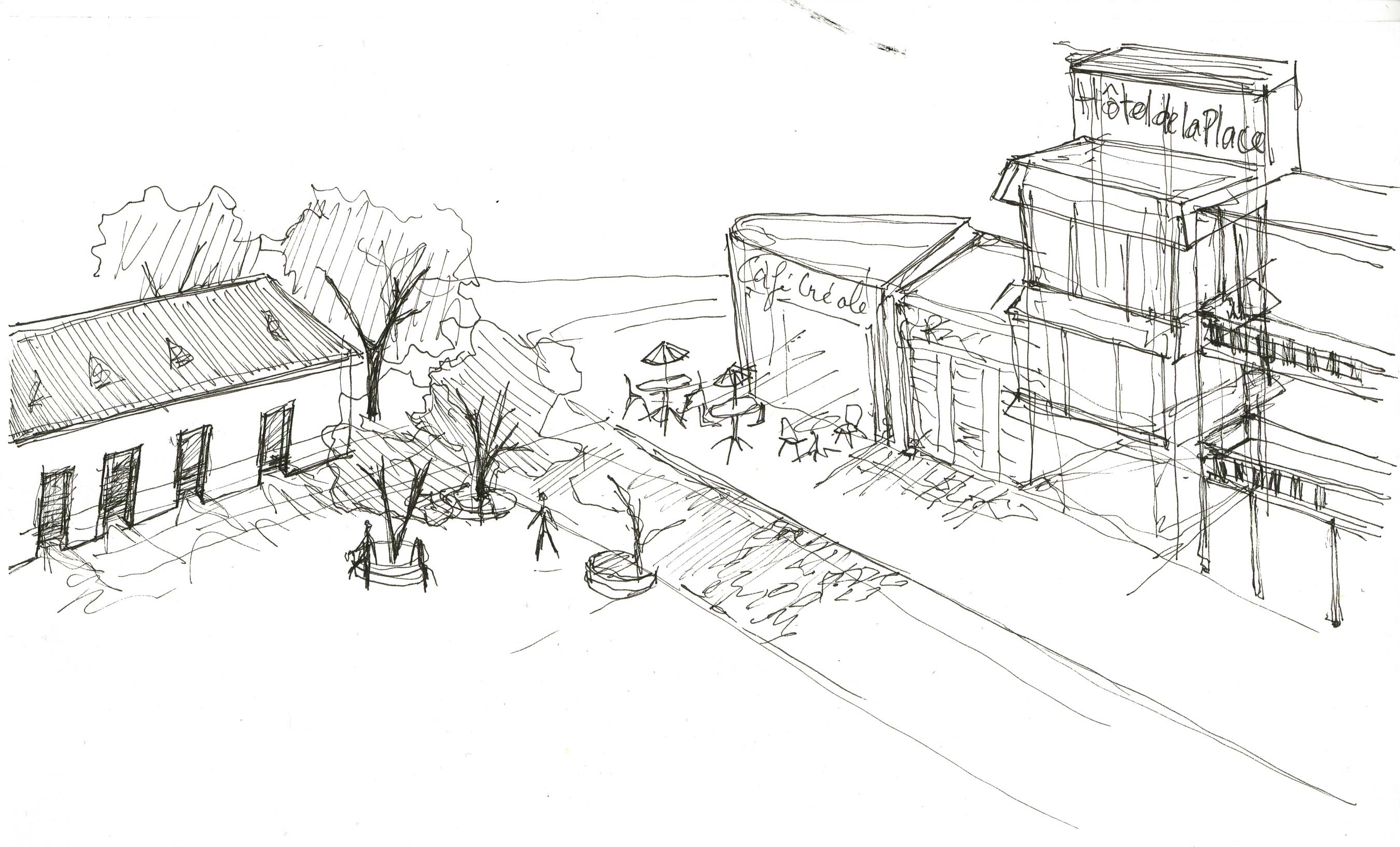
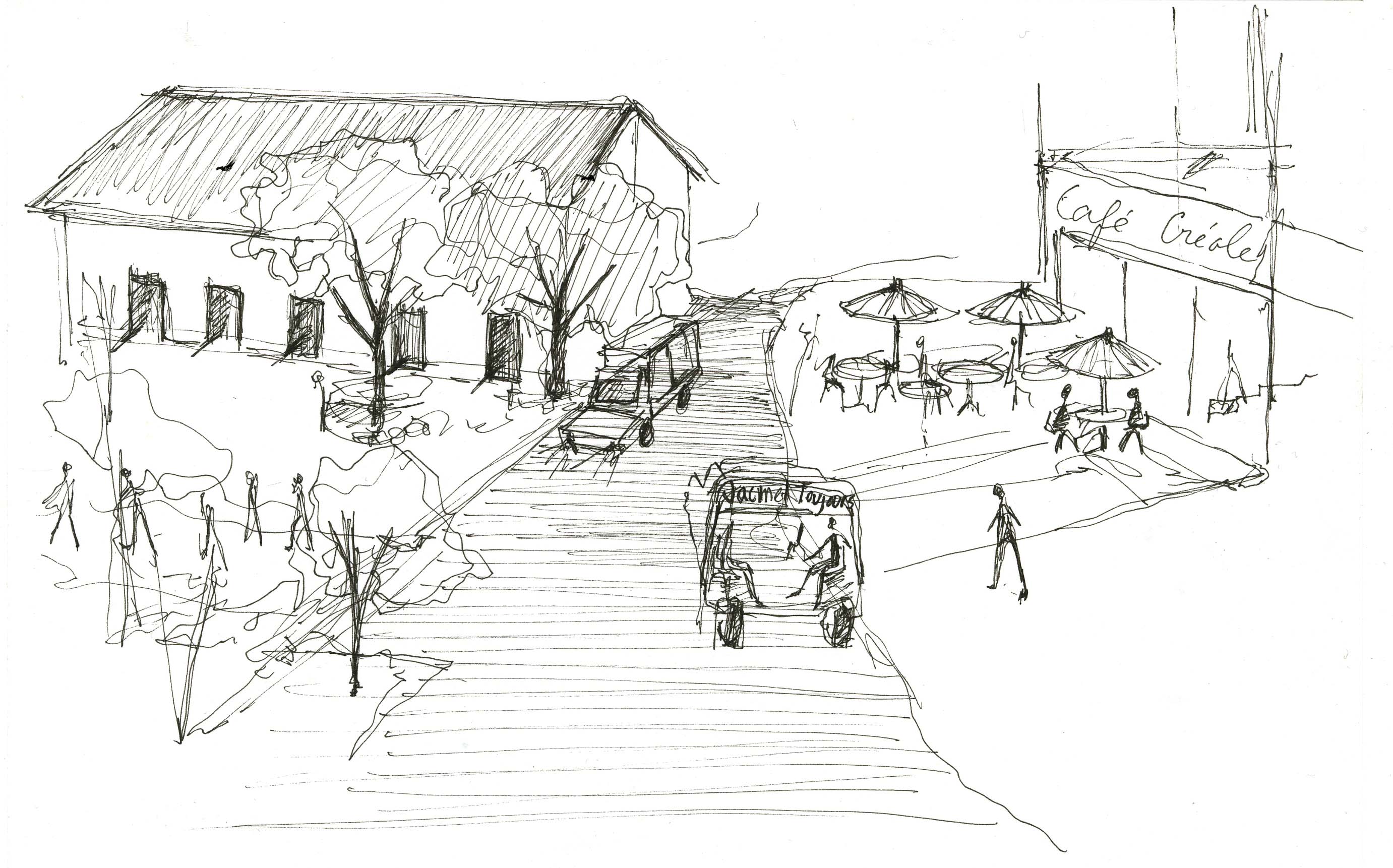
A symphony in Four Movements

The novel “Hadriana in all My dreams” which has inspired me to think a lot about story telling throughout this thesis, is written in musical movements. A movement is  “a major structural unit perceived as the result of the coincidence of relatively large numbers of structural phenomena” (Spencer & Temko (1988). Form in Music, p.31).

Hadriana in all my Dreams is wrtten in 3 movements. Classical music is however also written in 4 movements: the first movement in a symphony to be allegro and in sonata form, the second andante or adagio, the third a fast scherzo or a Menuett, and the fourth a lively allegro (Wikipedia).

I have decided to use that same structure in order to frame my thesis, which will contain 4 movements. The first one, “Hadriana in All my Dreams” in which I illustrate an excerpt of the novel, the second “Le Manoir Alexandra” covering existing conditions, the third “Oath of the Ancestors” showing the importance of bringing back history, and finally the fourth movement where I introduce my own architectural intervention “Jacmel, a time to live eternally” (subject to change).

Distribution of Space

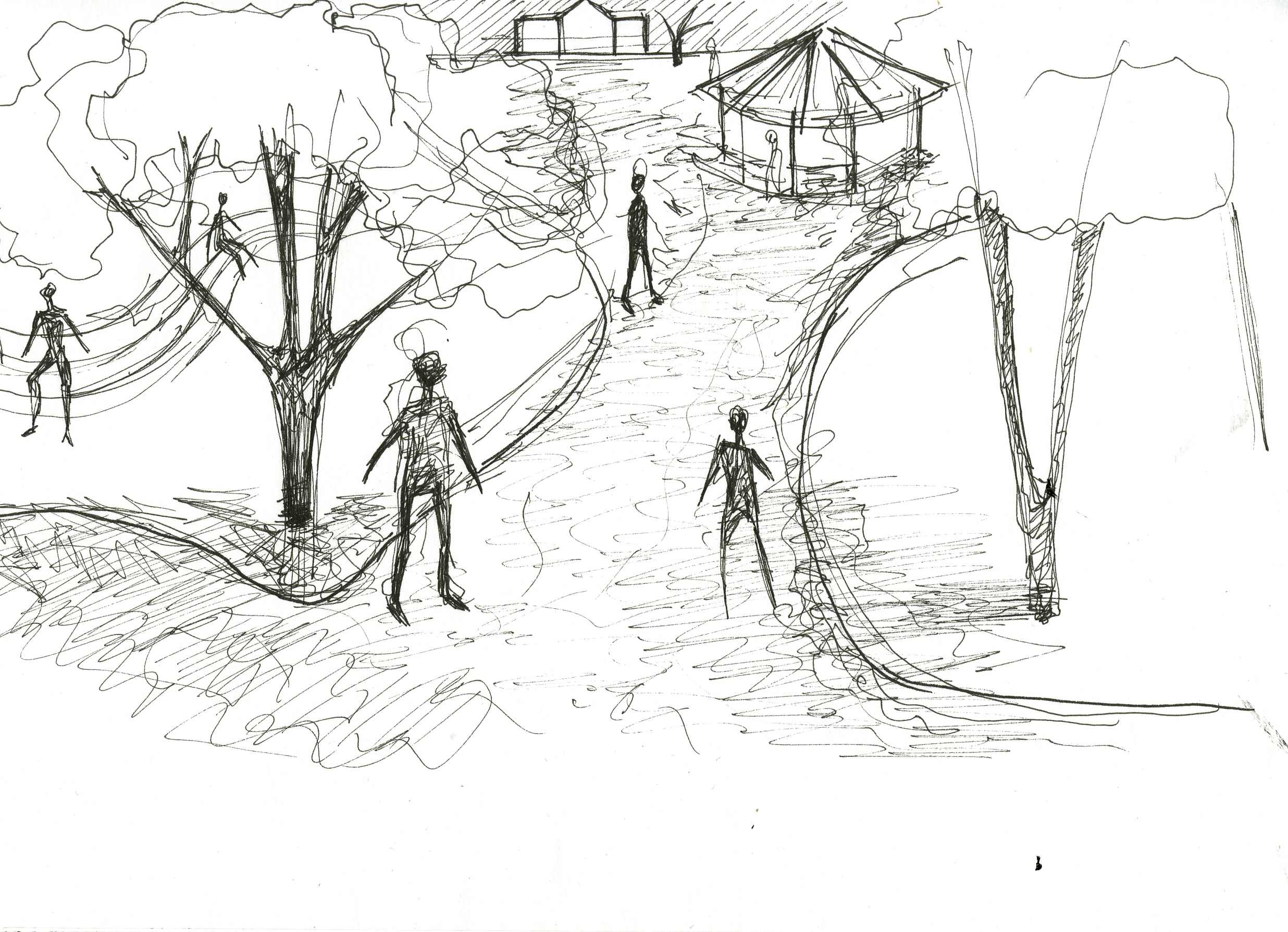
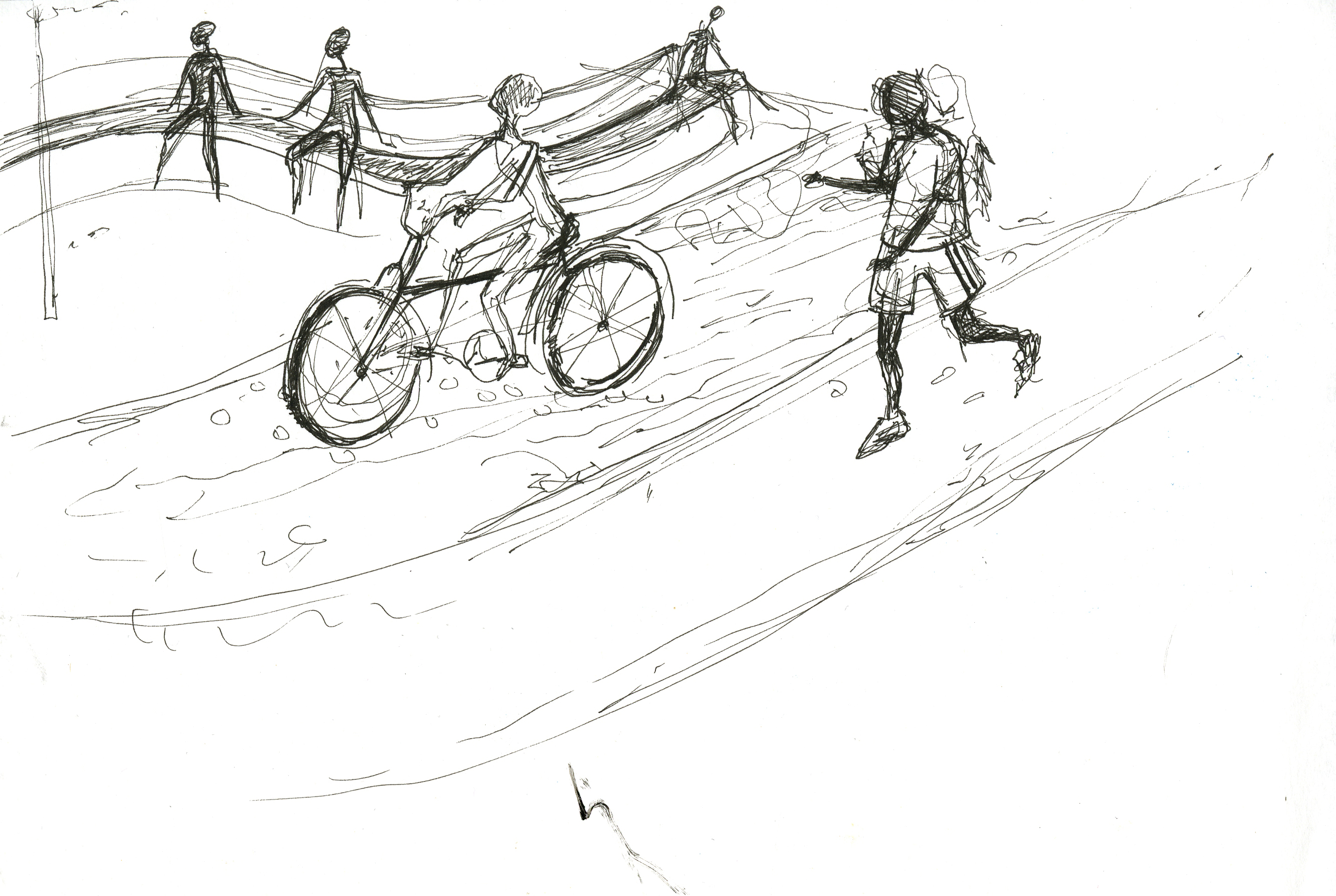
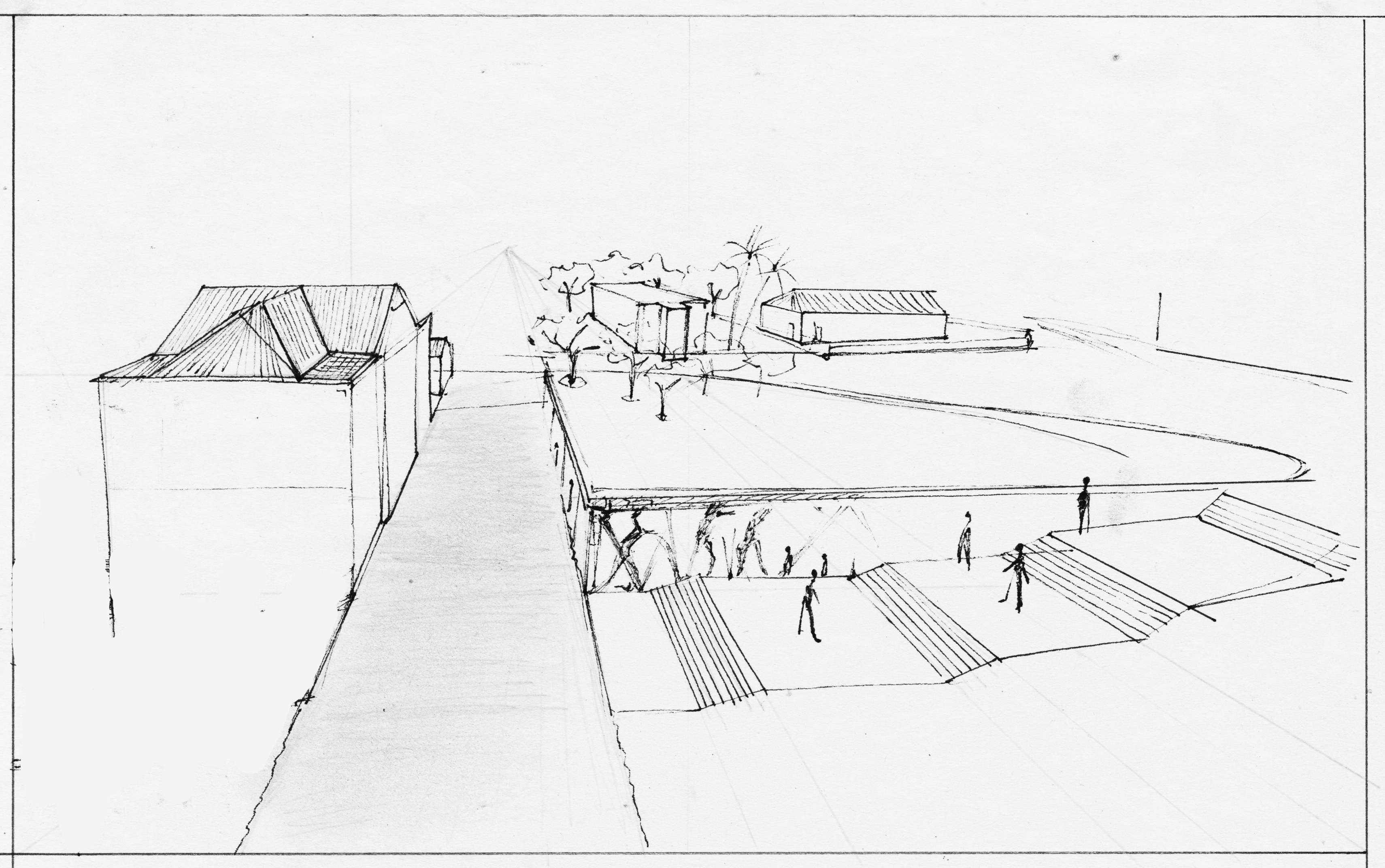
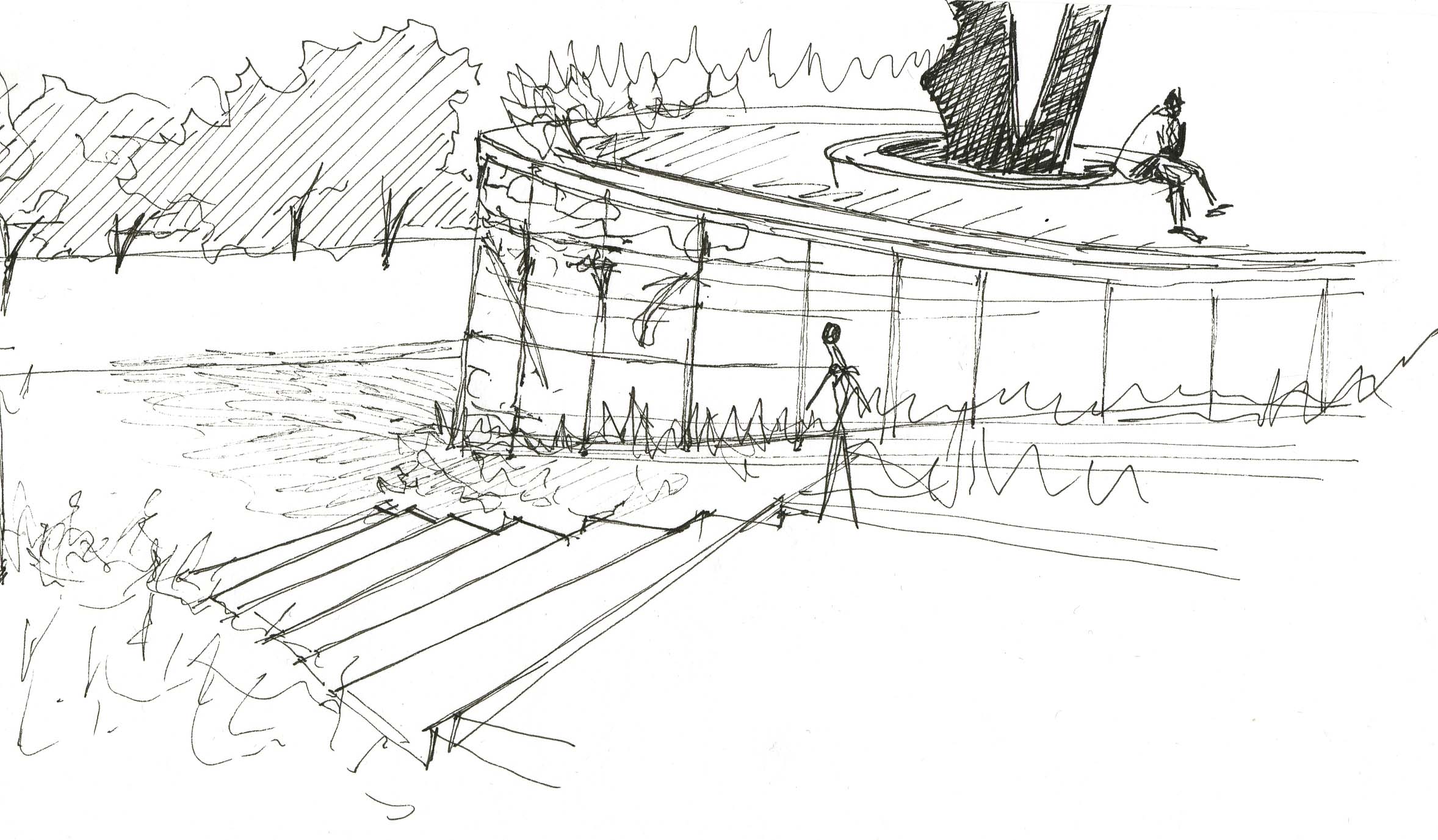
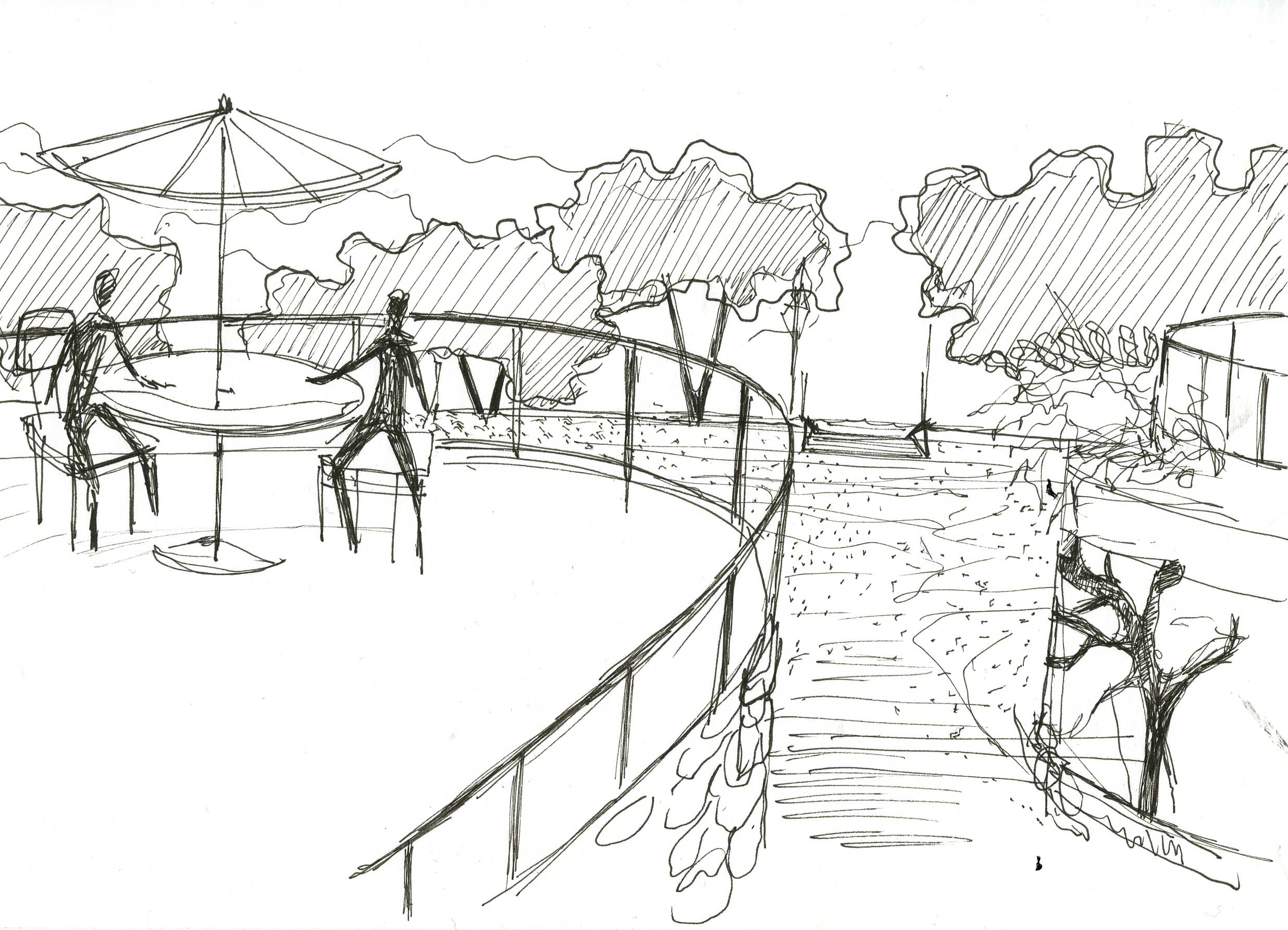
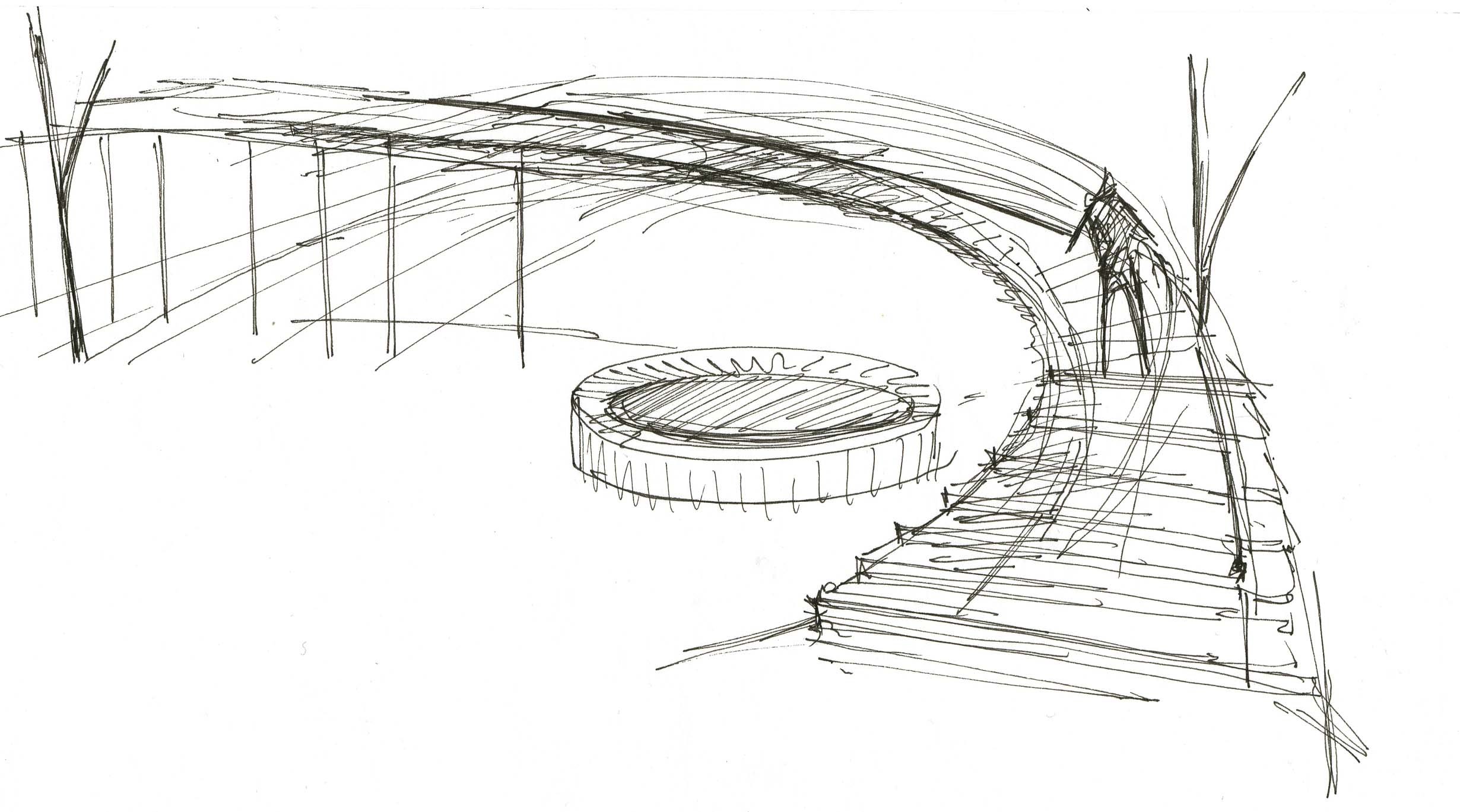
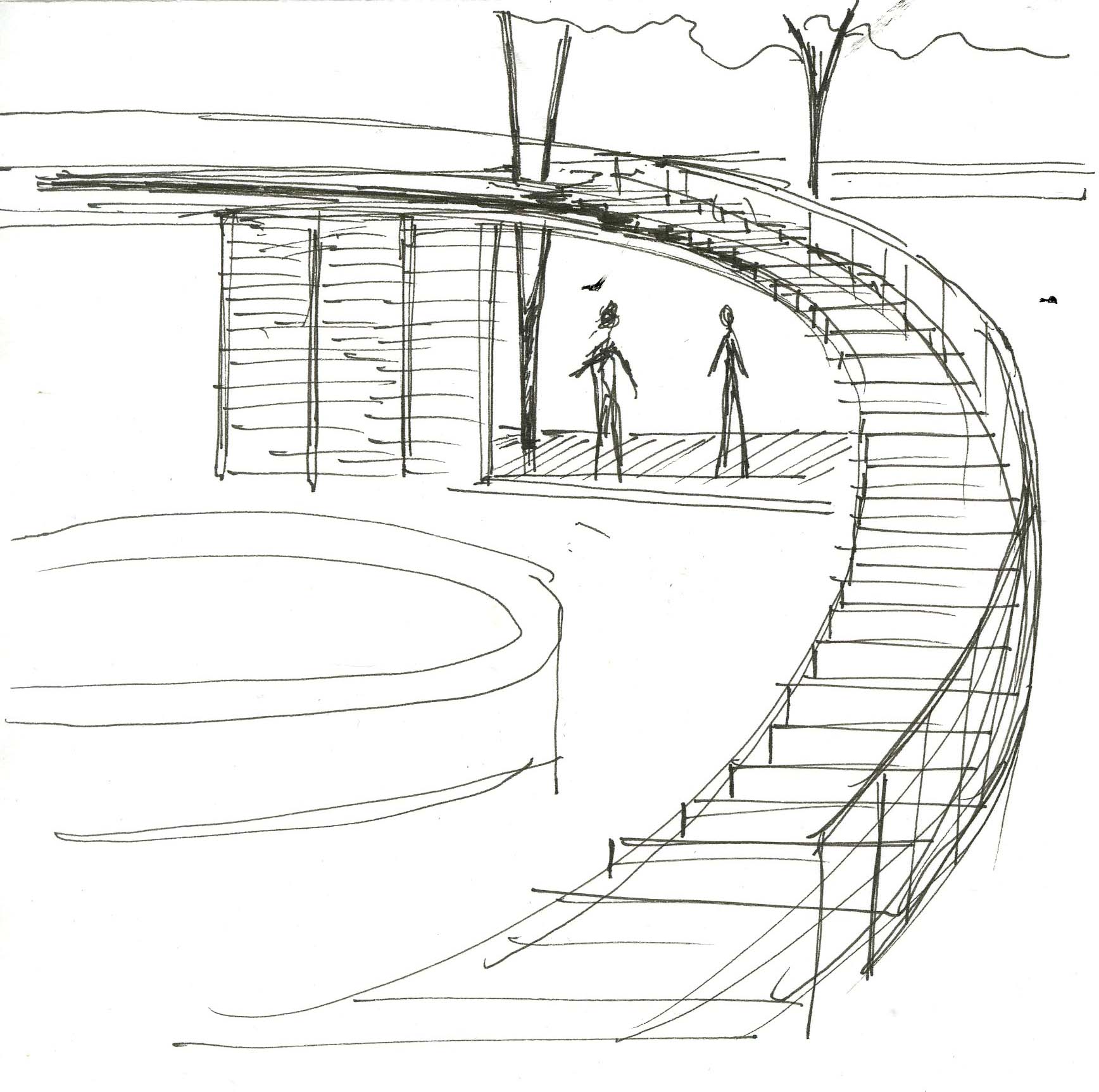
This architectural thesis explores how the adaptive-reuse of a prime piece of real-estate, together with its immediate surroundings, can respond to a pressing need of cultural and governmental presence. A series of spaces allow creative expression that is particular to Jacmel and renowned internationally. A large pathway leads the carnival processions into the Central Plaza which offers ample space for the various troops to perform. The romantic feel of the plaza’s Lovers’ Lane is recovered with the cooling shadows of new Fromager trees. From the elevated plaza, one can look through the windows of the Manoir Alexandra and towards the horizons as their minds penetrate their minds dwell around the ideologies of the international art work exhibited in the galleries of the Manoir’s top floor. A quiet pathway descends into the gardens of the Manoir Alexandra, where drum sounds, first muffled by the lush vegetation, comes alive as one submerge into the underground dance spaces. An awakening takes place when looking up again towards the Manoir’s Southern balconies. A repetition of porous architectural characteristics reminds one of the rich cultural exchanges that occur in Jacmel, every day. This architectural thesis mediates a mutually beneficial relationship between the local and global community, and acknowledges a history that deals precisely with the cultural clash that may occur when those two worlds collide.

Dance Rituals & Post-Colonial Landscapes

A syncretetic and changing system of beliefs and rituals produced out of the experience of the sugar plantation system in the New World, Vodou, or “the serving of the Gods,” though bricolaged in the forced contact of African vodun and Catholicism, may be understood as a historical response to the very experience of the ritual brutality of slavery. the serving of the Gods, or lwas, worked to transform torture, terror, and servitude itself. In her recent reconsideration of Haitian history, Haiti, History, and the Gods, Joan Dayan recounts her lesson from the Manbo Priestess La Merci Benjamin about what it means to submit to being ridden by the spirits. Benjamin explains that through the intense thought work of incarnating one of the Vodou deities, “instead of being turned into a thing, you become a god.” And, thus, Dayan theorizes, “to Be ridden by the mèt tèt, to be seized by the god, is thus to destroy the cunning imperial dichotomy of master and slave, or colonizer and colonized.” In eighteenth-century Saint-Domingue nighttime assemblies for the collective practice of Vodou ritual and dancing were more than just transgressions of colonial legal authority. Possession by the gods also conjured a spirit-infused landscape of sacred trees and herbal offerings that menaced colonial authority through a reversal of colonial authority’s basis in its materially staked claims to possession, the notion of “property rights,” of self-possession and control of land.

Sowing Empire- Landscape and Colonization | Jil Casid

Inspiration to design dance spaces in the gardens of Le Manoir Alexandra