The Book

Table of Contents

1-      List of illustrations

2-      Acknowledgments

3-      Glossary of Terms

4-      Abstract

5-      Introduction: Alexandra the actress

6-      Spatial narratives

7-      Jacmel historic district- city of portals

8-      Spatial narratives: view in a room

9-      History of storytelling in Haiti

10-  Imagined future narrative

11-  Tourism in the Caribbean and Jacmel

12-  4 days in Jacmel: ‘A time to live eternally’

13-  Project (Arch. Images +Text): The Carnaval Procession

14-  Project (Arch. Images +Text): The Lover’s Lane and Descending Pergola (Staircase into Underground)

15-  Project (Arch. Images +Text): Underneath the Plaza

16-  Project (Arch. Images +Text): Hadriana on the Balcony leads us to the Oath of the Ancestors

17-  Project (Arch. Images +Text): Dreams and Awakenings/ Above-Below from Oath of the Ancestors to Kote yo fè Zafè yo-Where they do their things

18-  Project (Arch. Images +Text): Garden on the Caribbean Side

19-  Conclusion

20-  Footnotes/Endnotes and Bibliography

Place d’Armes… explorations


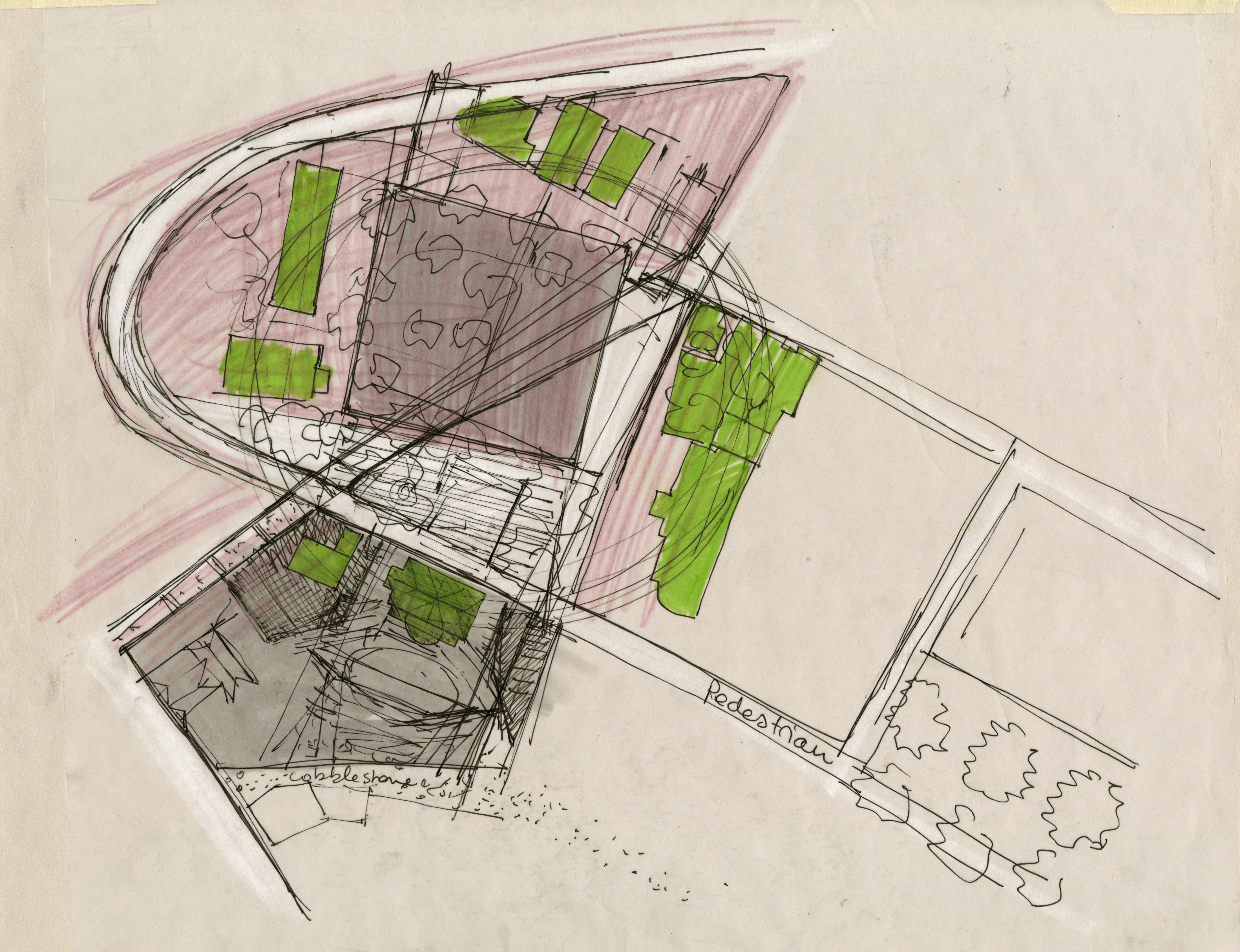
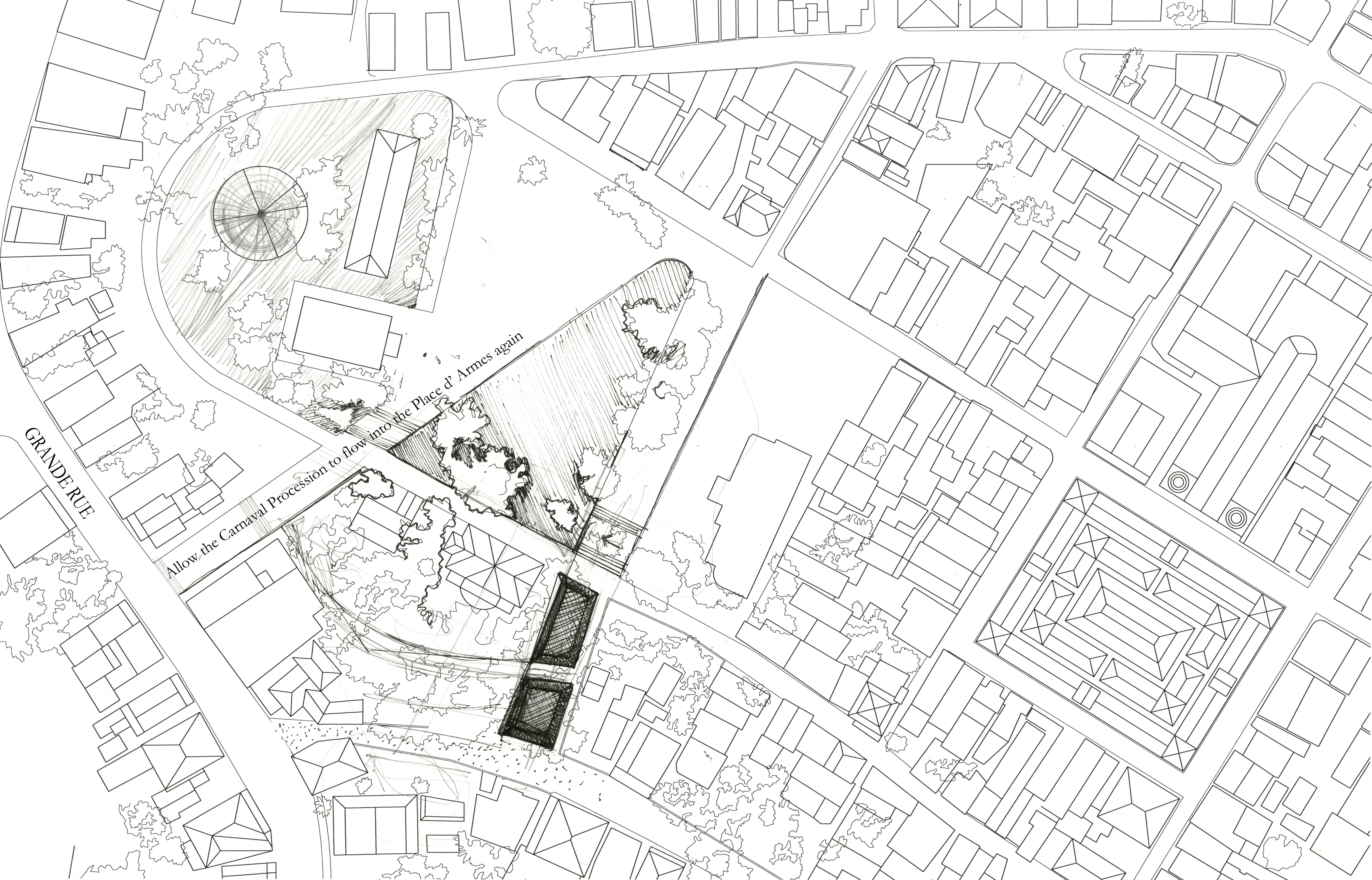
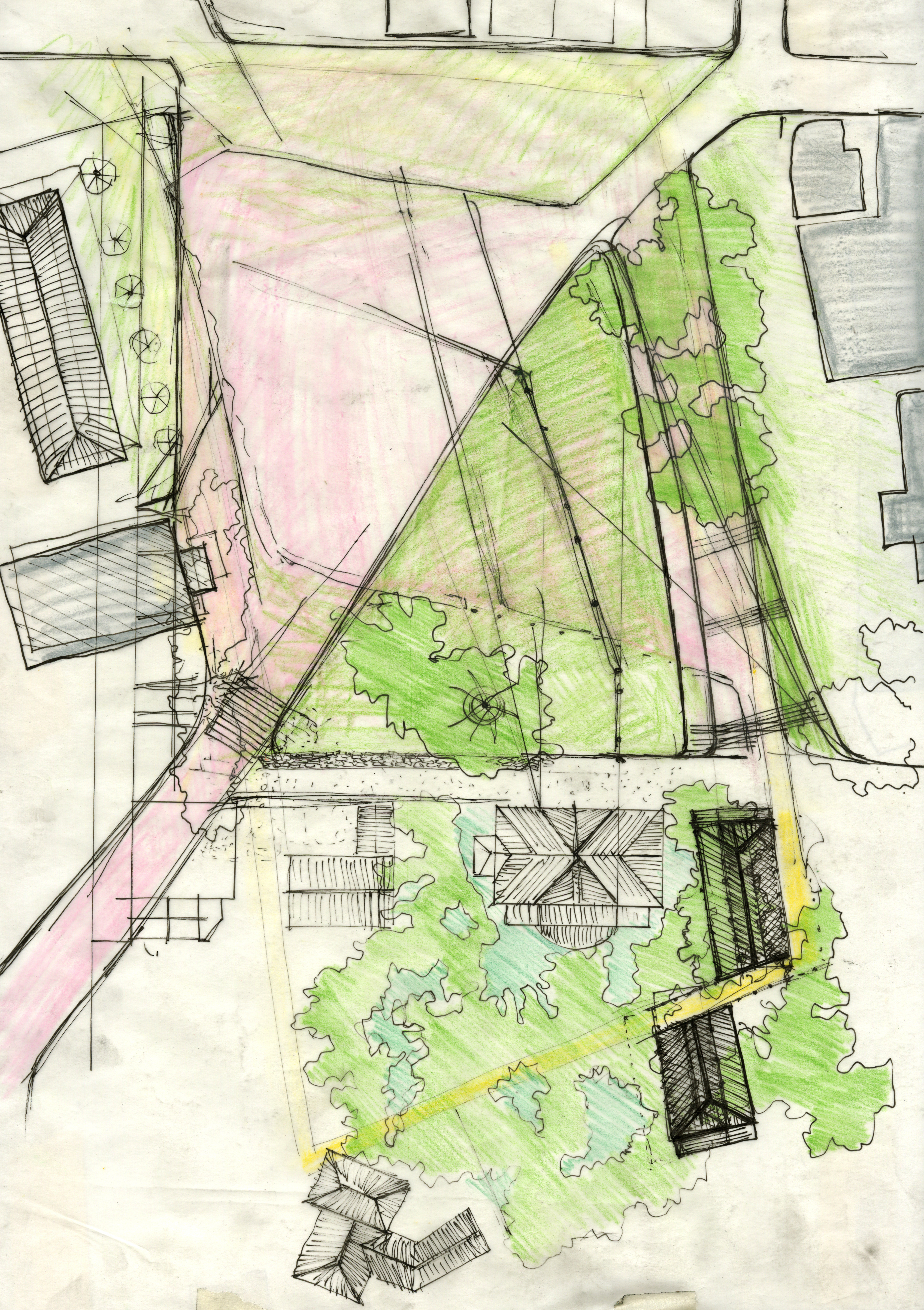
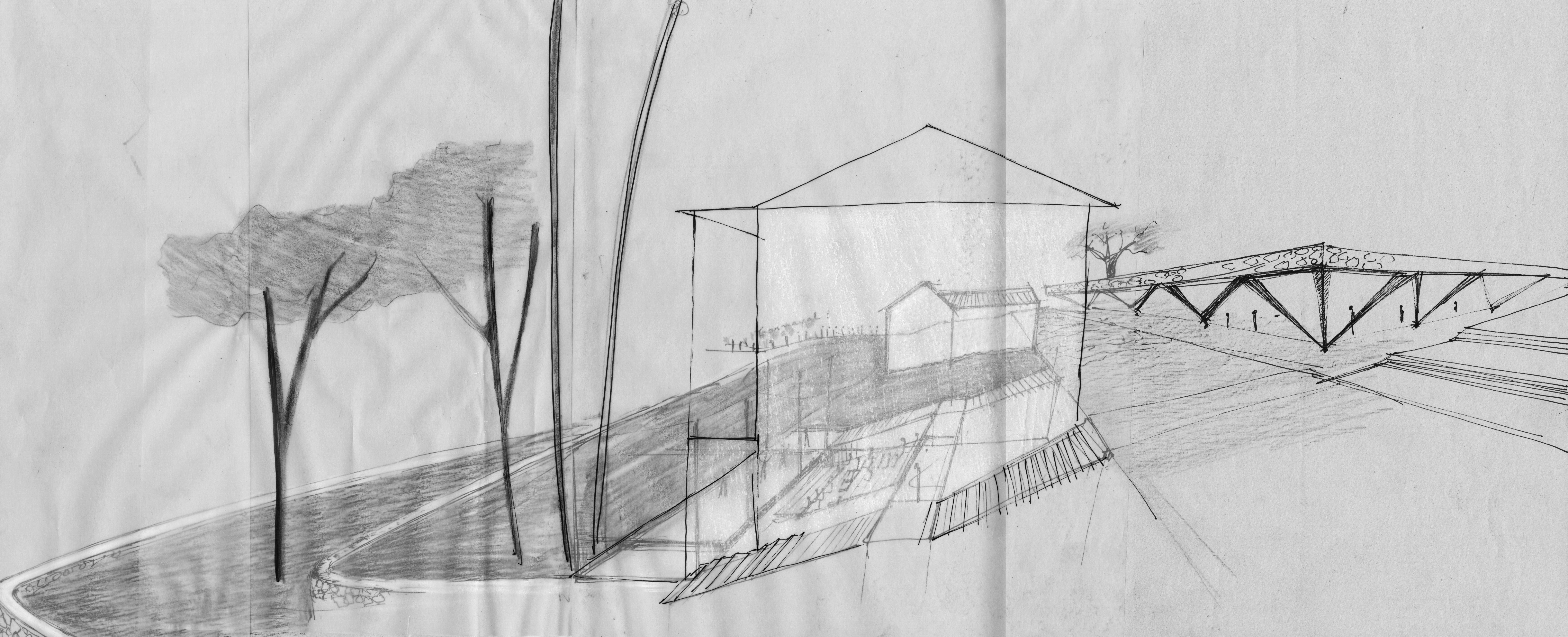
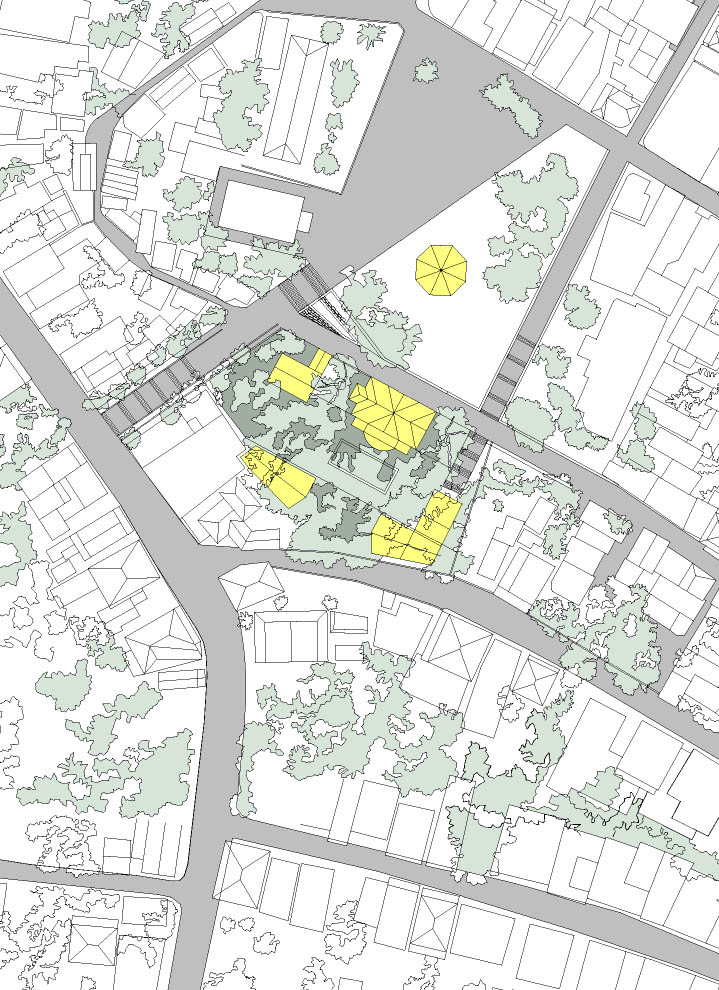
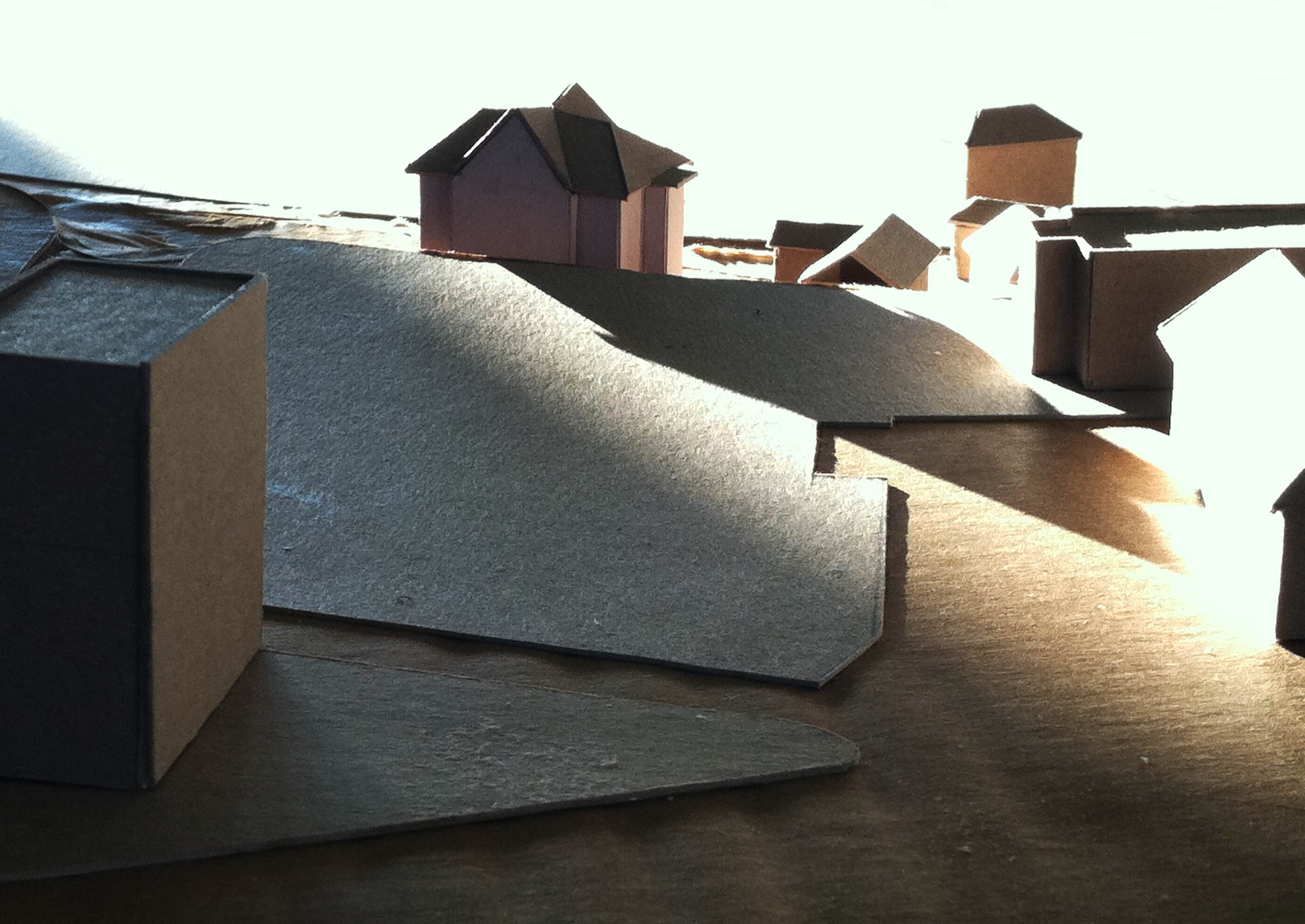
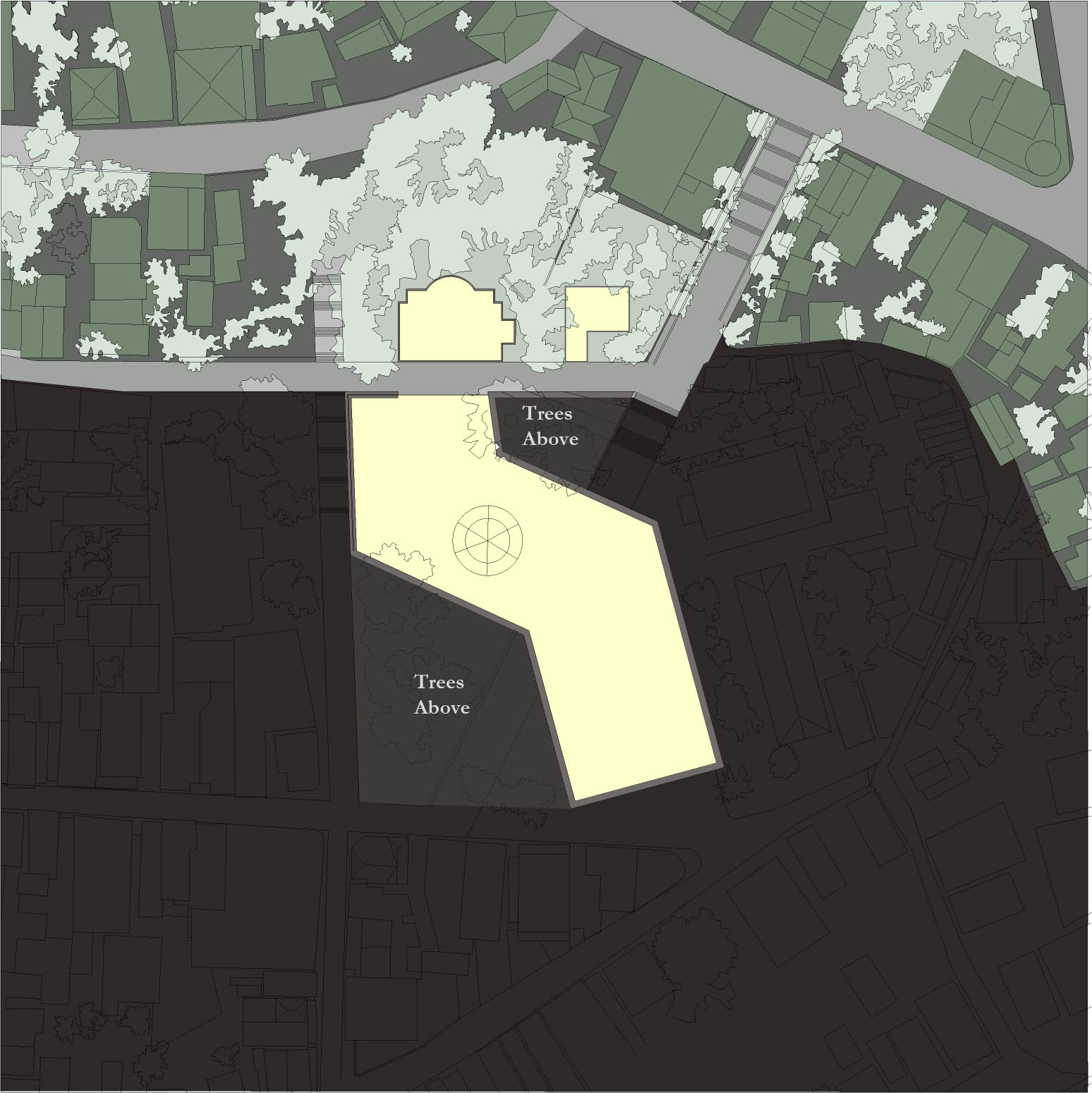
In Progress; Main Concern…. I would like to propose a scheme where half of the plaza (right triangle) has more greenery… however… how do I propose more greenery when the roots of the trees might not allow me to occupy the underground? I want to use the underground of the plaza to make allusion to light/darkness again and also to make allusion to the ‘hidden treasure’ that was believed to have been the reason (warning/ rumor ) why the government ordered the redesign of the Place d’Armes. All those stories are important to this design process. The place d’Armes was established as soon as the French settled in “Yaquimo” (old name for Jacmel) so it is also important for me to keep that history alive, perhaps by retracing the lines of the plaza on the ceiling underground (more ‘mood/atmospheric’ drawings to come soon!)…. I would also like to receive any feedback on this issue! Please feel free to share… Thank you!


Link the Museum space to the underground level of the surrounding civic buildings? (I wonder if those buildings even have an underground level… ) But that would be a great way to provide additional exit-ways. 


Jacmel, City of Portals

Jacmel is one of the only cities in Haiti that has multiple functioning routes into its historic district. The Ministry of Tourism counts 4 “Portails” or Portals. the Portail Léogane which leads one from Port-au-Prince, the Portail St Cyr which leads to the Jacmel Airport (currently being expanded), the Portail La Gosseline, and the Portail Bainet.

Simultaneously, Jacmel showcases a lot of  thresholds. One of my architectural teachers who has visited Jacmel in the early 80s described his experience with entering a place, having to climb a small set of stairs, reach a porch and experience colorful interiors. The frames of the thresholds themselves, are remarkable….

In his book “Jacmel, sa contribution a l’histoire d’Haiti” or Jacmel and its contribution to Haiti’s history, Professor Jean-Élie Gilles, Jacmel native describes the town as a “city of portals”, literally and metaphorically. He aligns his analysis with the city’s ability to attract many foreigners throughout time.

Lower Level Performance Space & Garden

This slideshow requires JavaScript.

The first image of this slideshow is a modified Times Magazine photo of the interior of Haitian dancer Viviane Gauthier’s Gingerbread house in Turgeau, Port-au-Prince. The photo illustrated an atmosphere I wish to convey in the lower rooms of the Manoir Alexandra. This performance space would spill out to the garden.

Times Magazine Photo Essay: Haïti’s Gingerbread Houses

A History of Names- Thesis Statement

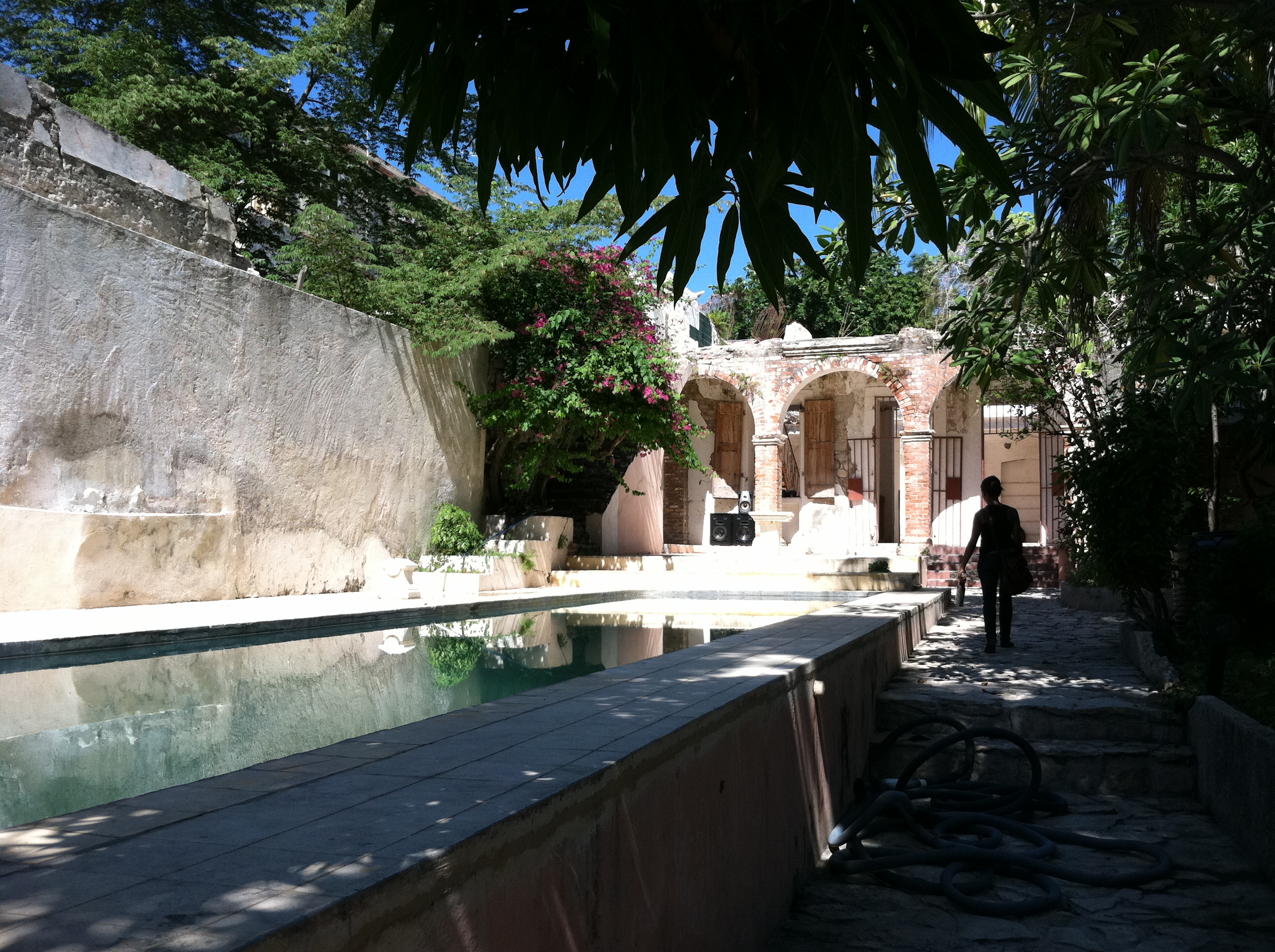
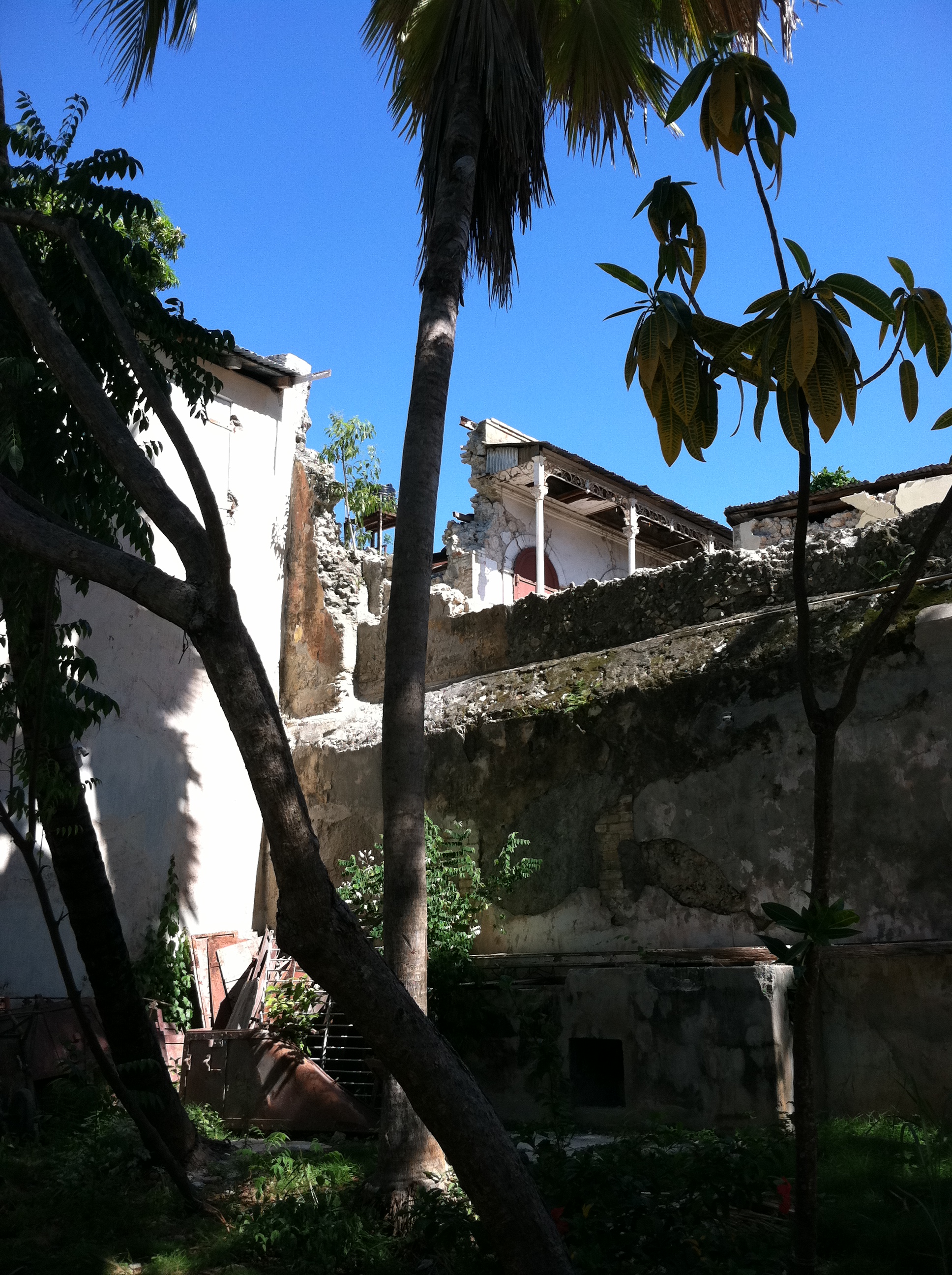
Jacmel’s abandoned hotel, Manoir Alexandra, sited on the South side of Jacmel’s Town Square:

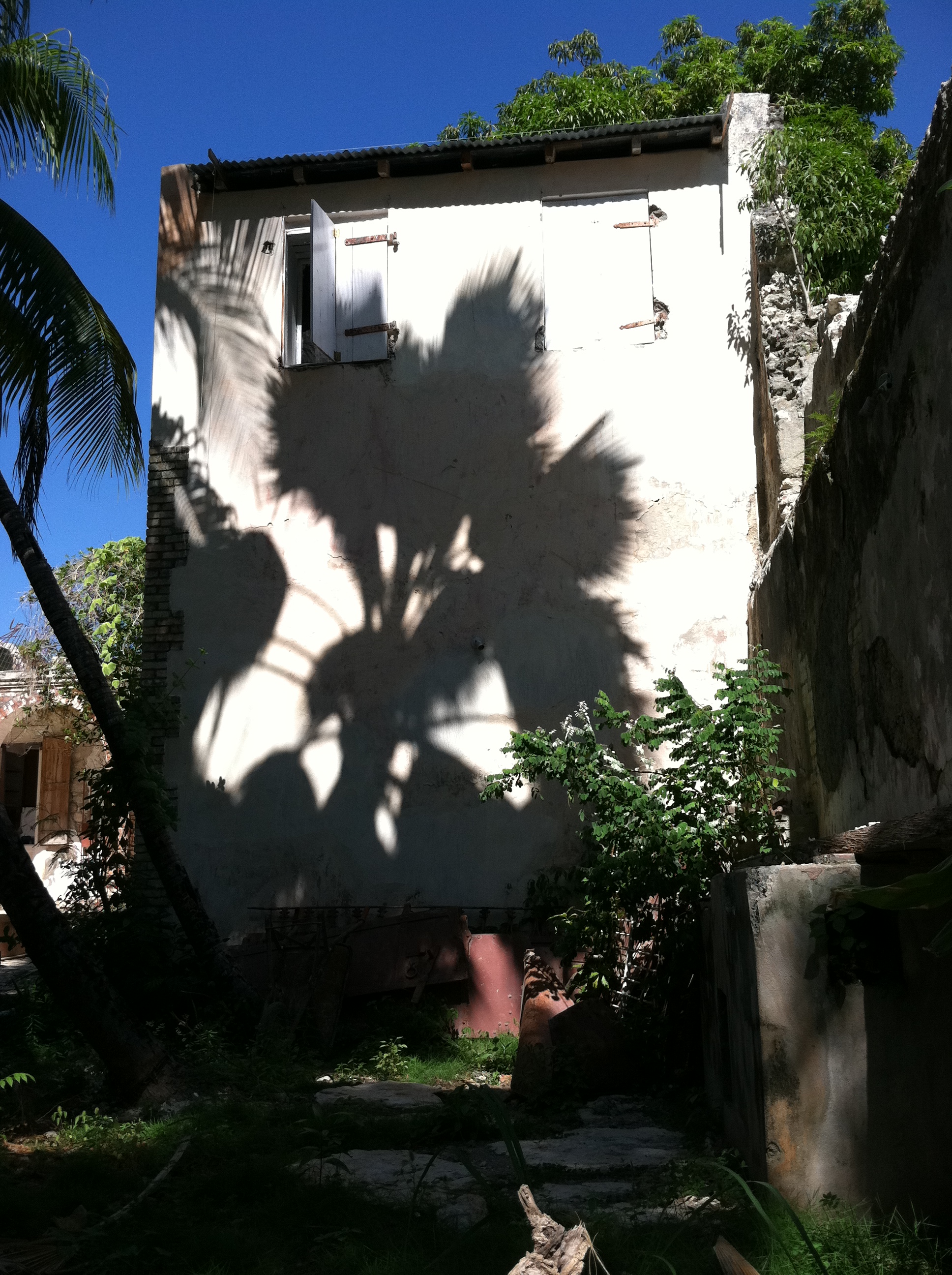
It is a warm afternoon, balmy with an occasional breeze from the coast. The sun is setting behind a tuft of palm trees. The trees’ long shadows cast dark silhouettes on the old Town Hall, whose foundations are outlined with a flat strip of brass. A few families are quietly contem¬plating the vacant lot and a young boy lays flowers on the now sacred ground.

The cruise-ship has anchored at the port and vacationers are making their way up to the town square. Submerged in the new humid atmosphere, they walk through narrow stepped corridors and under iron-laced balconies. Children precede them and run up the stairs, proudly shaking the colorful cha-cha’s purchased at the harbor’s art galleries.

The town square has been transformed into an open-air auditorium space. The clock of the Cathedral St Phillipe chimes the new hour and the overhead garlands of light are dimmed. Visitors and locals proceed into their seats. We all face south towards Alexandra, but she can barely be seen. The only light emanates from the colorful fanals on the ground.

Suddenly we hear sounds of drumming. Large screens light up to our left and right, and images of energetic folkloric dancers and colorful carnival paper-mâché masks catch our attention. The crowd, unanimously enthralled by the rich images, applauds and whistles when the drum sounds travel from the speakers to the ground, in front of Alexandra. Live drummers end the piece with strong, deep and bold rhythmic sounds. The fast images are slowly replaced by calmer scenes. Young kids splash into the deep pools of the Bassin Bleu waterfalls, fishing nets thrown into the sea glitter under the lazy sun, and silence is reestablished as a cheerful coconut vendor convinces his cameraman to put down his lens and to come enjoy a drink of coconut water.

Alexandra takes our attention again, her turquoise window frames popping out from the darkness. On her left, the mayor of Jacmel climbs to a podium. Behind him, images of the daily lives of Jacmelians fade in and out unto the white façade of Alexandra. Her long cracks are still noticeable, but an unprecedented story of resilience and restoration is about to unfold.

´The atmosphere, shapes and imagination that make up Jacmel have been created by real men and women. Its unique and inimitable fabric is a patchwork of walls, streets, open spaces, memories, meetings, sensations and creations, voices and images stitched together day by day for posterity. This is not tangible heritage but a history of names’.

Bernard Hadjadj and Alain Sancerni in “Jacmel: A Centre for the Development of Culture and Tourism”

How can Jacmel’s Civic Center, damaged in Haiti’s massive 2010 earthquake, be transformed into a prototype for historic preservation? Can this small coastal town, the “Cultural Hub of Haiti” and international tourist destination, set a universal example as a progressive community in a developing country?

Collaboration, Spirit of Teamwork and Community

Central to Jacmel’s burgeoning recovery has been a sense of pride long associated with the city. Jacmelians, as residents call themselves, view themselves independent of Haiti. And many took it upon themselves to clean up the rubble from the streets and their property, and not wait for foreign aid workers to do so.

“Jacmelians, they put their heads together,” said Archille Laguerre, the local leader of Camp Mayard. “Why? They have a spirit of collaboration, a spirit of teamwork and community.”

Huffington Post: Jacmel, Haitian Tourist Town, Rebounding Post-Quake

2010-09-28-leNouvellisteDesagriculteursvenusdediffrentescommunesdeJacmel.jpgFarmers from different communes of the South-East, meeting in Jacmel. Photo: Le Nouvelliste